Category Archives: Core

Core Workout with Leg & Back Stretches

Move through Pilates mat exercises with preparations to focus on proper form. Exercises include pelvic stabilization, single leg circles, single leg stretches, double leg stretches, scissors, rollover, crisscross, sequential bridging, shoulder bridging and back stretching.

Identify the Core Muscles in a Side-Lying Position

Isolate and engage each of the core muscles of the pelvis in a side-lying position. If the pelvis is stable, then the hip and leg can move freely with length.

Core Connection with Spinal Stretching

This series uses a small wooden dowel but can be done holding a Theraband or without a tool. The focus is on abdominal strengthening with sagittal and transverse spinal stretching.

Part 1: How to Activate Muscles for Planks & Part 2: Daily Plank Practice


Focusing on form can improve the quality of plank exercises by providing intention and awareness. This video covers how to isolate and coordinate the diaphragm, transversus abdominis, pelvic floor, lumbar multifidis, and gluts for pelvic stability. The imagery and preparation are intended to be used with Part 2: Daily Plank Practice.

Build overall body strength through a regular daily regimen of planks in under 5 minutes a day. Video features 3 sets of planks (each side and front) on the forearms held for 30 seconds each. Take a computer break and fire up your core! Watch Part 1: How to Activate Muscles for Planks for additional explanation and preparation.

Supine Light Weights: Arms with Core

Arm exercises with light weights while lying on your back. Exercises include scapular stabilization with arm strengthening and abdominal work. Video finishes with some low back and hip stretching.

Magic Circle Shoulders, Abs and Hip Flexors

This Christmas video clip focuses on scapular isolation, abdominal strengthening and hip flexor strength/flexibility using the Magic Circle. The series can be done holding a band or a ball instead, since the movements are using the ring for arm placement rather than resistance.

Pelvic Floor + Pelvic Clock = Pelvic Stability

How to engage the deep core muscles for pelvic stability. This slow moving video takes you step by step to isolate the pelvic floor, access the core, and keep pelvic stability with knee openings and leg slides. Tennis balls are used for proprioception and to address trigger points in the glutes. The pelvic clock exercise accesses the pelvic floor, transversus abdominis, and lumbar multifidus muscles.

YOU’LL “LOVE” USING TENNIS BALLS TO “ACE” THE PELVIC CLOCK

Tennis balls can add a whole new spin on the introductory Pilates Pelvic Clock exercise.  This basic exercise uses the image of a clock at the pelvis to direct the mover to various points in space that represent the numbers of the clock and illustrates basic pelvic placement positions such as neutral (with lumbar curve) and flat back (no curve). Adding tennis balls to this exercise can improve proprioceptive awareness of pelvic placement and release myofascial trigger points in the gluteus maximus and piriformis muscles leading to better activation of core muscles  (see previous article “Addressing Trigger Points to Facilitate Range of Motion.” ) 

PELVIC CLOCK EXERCISE

The Pelvic Clock (also used in the Feldenkrais method) is a perfect beginning exercise since it illustrates how to initiate movement from the core, but can also be enjoyed by advanced students who continue to garner self-awareness from its repeated practice.  To perform the Pelvic Clock exercise, have your client lie supine with knees bent and feet on the floor (or you can prop the client’s legs on the Reformer Short Box).

 Imagine that the pelvis is a clock with the navel as 12 o’clock and the pubic bone as 6 o’clock. Move the pelvis into a posterior pelvic tilt (flat back) for 12 o’clock and then return the pelvis anteriorly to 6 o’clock (neutral pelvis) where the pubic bone and anterior superior iliac spine (ASIS) points are parallel with the floor and a lumbar curve is present. Repeat pelvic shifts 4 times or as many times as needed.

 After returning to neutral pelvic placement, move to 3 o’clock (left lumbar rotation) and 9 o’clock (right lumbar rotation). For example, you could have your client imagine the pelvis as a boat filled with people. Then visualize all the people walking to one side of the boat, so that it dips in the water to one side heavier than the other. Repeat the left and right shifting 4 times.

 The previous practice moves the client’s pelvis in a cross-like shape relative to the clock (up to down 12 o’clock to 6 o’clock, and left to right, 3 o’clock to 9 o’clock). Next explore the “X” shape on the clock going from 10 o’clock (weighted right waist flat back) to 4 o’clock (weighted reaching left buttock in neutral) and 2 o’clock (weighted left waist flat back) to 8 o’clock (weighted reaching right buttock in neutral). Repeat each sequence 4 times.

 Finally, have your client use their fingers to palpate each number on the clock starting and 12 o’clock and explore each number individually clockwise and counter-clockwise taking one to two full breath cycles at each number.  Once each number has clarity, sew them together like a plate would spin clockwise and counter-clockwise making sure the core initiates the motion, not the feet or legs. The continuous moving clock does not correspond with the breath—the client breathes when needed, not timing it to any number on the clock.

 Please note that the description of the Pelvic Clock is in the perspective of the viewer of the clock (navel as 12 o’clock).  Personally, I would prefer the clock be in the perspective of the person exercising (pubic bone as 12 o’clock), but it is not generally taught this way.  So as not to confuse people, I have conformed to standard practices.

 BREATHING FOR PELVIC CLOCK

Be sure that your client integrates breathing into this exercise. I choose to move the pelvis on the exhalation, as it is easier to feel the activation of the pelvic floor and the transversus abdominis to assist with the transition through core initiation. Be aware that there is a tendency for the client to move the pelvis from a distal initiation by pushing on the feet or legs, so cue your client to feel the pelvic floor and engage the transversus abdominis prior to moving. For example, inhale at 6 o’clock and move to 12 o’clock on the exhalation using core muscles. Hold 12 o’clock on the inhalation and then move back to 6 o’clock on the exhalation.  You may choose to slow the exercise down spending more time on each number to further activate and deepen the abdominals with a cumulative dropping of the abdominal wall on each breath.

 PELVIC CLOCK WITH TENNIS BALLS

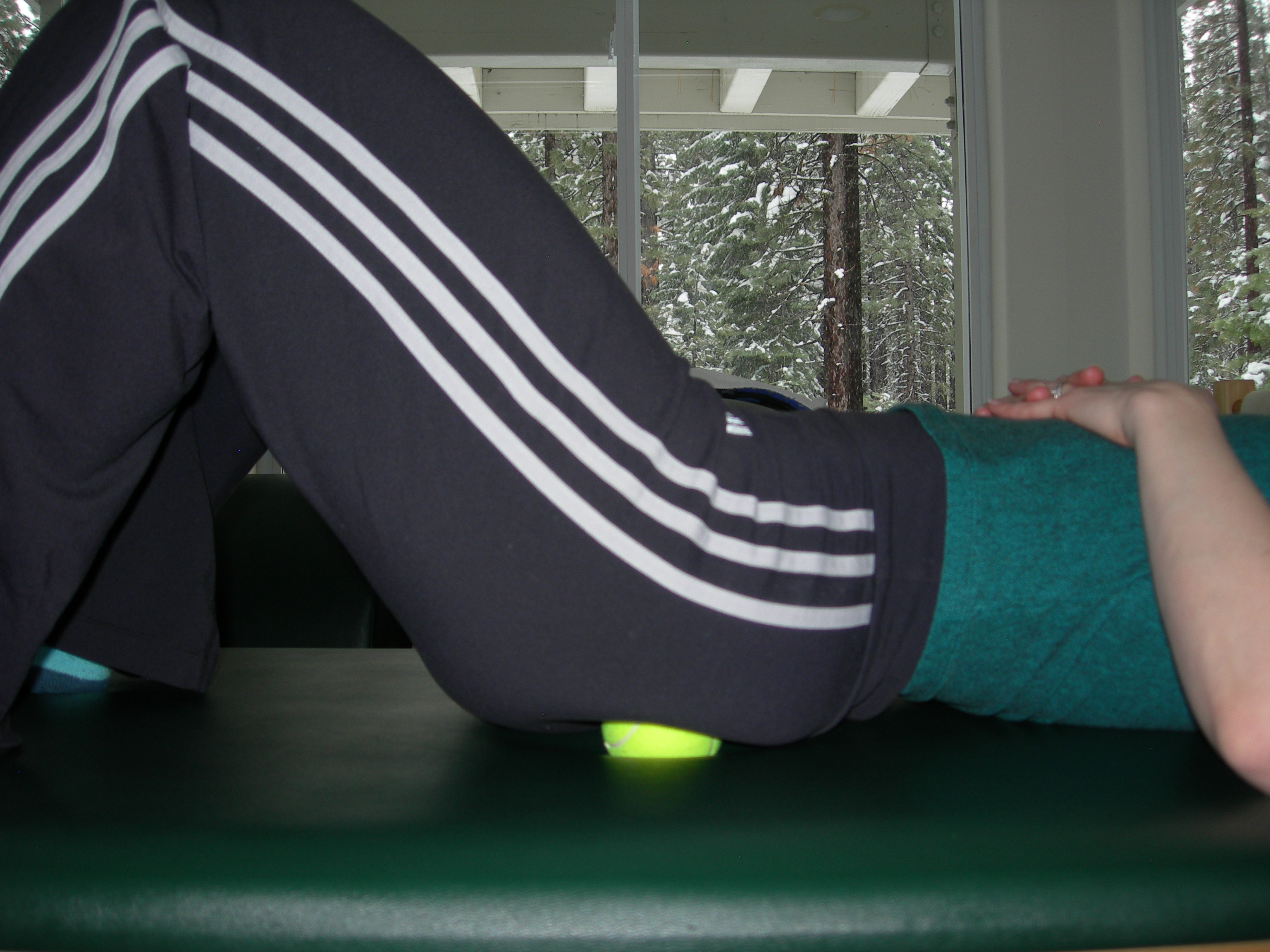
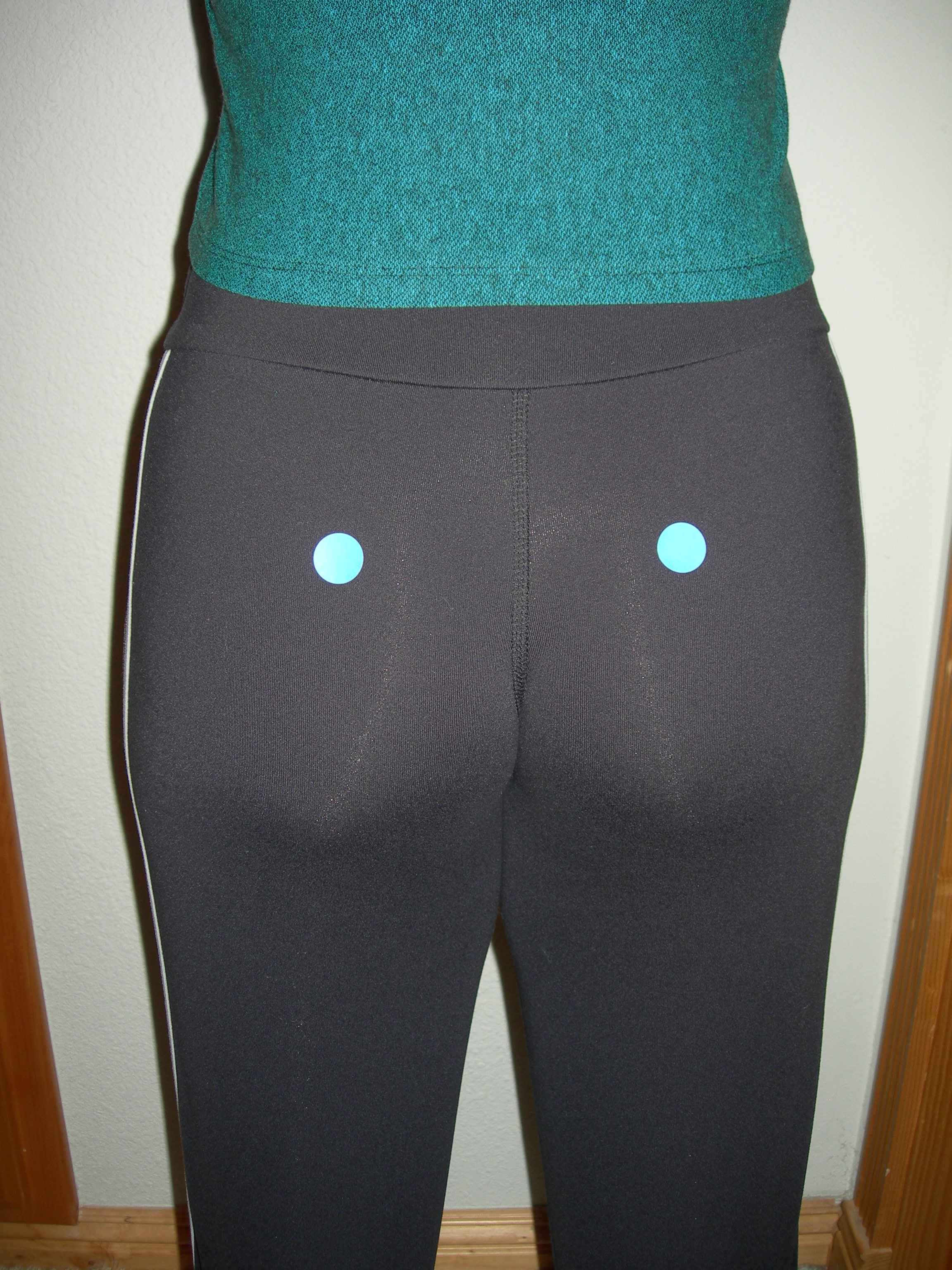
Place a tennis ball approximately 4-5” below the posterior superior iliac spine points (PSIS) on the right and left sides of the sacrum in the fleshy part of the buttocks. The target for the tennis balls is either the gluteus maximus or piriformis trigger points. Ask your client to place the balls so they are placed symmetrically right to left and hit these tender trigger points. I usually stand up and demonstrate the ball placement visually before lying supine. Although the balls will likely be uncomfortable, discontinue if the discomfort is intolerable. Hitting the right trigger points may require a little fishing, so tell your client that they may move the balls at any time. Since there is more than one trigger point to address, suggest that the balls be moved if the initial trigger point becomes comfortable.

 Perform the Pelvic Clock as per the instructions above. The objective is to keep the gluteus maximum muscles relaxed as the pelvis is moved to each number on the clock. This will require breathing, concentration and core initiation.  Many people tighten the gluts for stabilization, which can lead to tension in the low back and hip flexors.  Pelvic Clock with the tennis balls illustrates quickly if the gluts are being used since they dig into the muscles on each movement. This helps the user to let go of the gluts and focus instead on the deeper core muscles of the pelvic floor, transversus abdominis and multifidus muscles. The tennis balls also inform the user when the legs or feet initiate the movement since there is more tension over the balls.

 The Pelvic Clock exercise will likely be slowed down when using the tennis balls since it takes time to relax the tension in the piriformis and gluteal muscles. Have your client imagine the buttocks are like honey melting over the tennis balls. The focus is on the journey from clock number to number feeling the tennis balls almost being absorbed into the gluts.  For example, if an ant were walking across the ball, it would take a lot of steps and every bit of the ball surface would be noticed. That should be the feeling experienced when using the tennis balls with Pelvic Clock.

 Point out to your student that the abdominal muscles play a bigger role in a posterior pelvic tilt (12 o’clock) and the lumbar extensors initiate the movement back toward neutral (6 o’clock). Many people have never isolated and observed these muscles in action. Also cue your client to be aware that the low back should feel a stretch when shifting to 12 o’clock where the tailbone feels as if it is reaching toward the back of the calves.  Often people will just push the low back toward the floor with tension and miss out on the experience of the simultaneous contraction in the front waist and lengthening of the back.

 For a group Pilates mat class, the tennis balls are an inexpensive teaching tool that can multi-task. They release the myofascial trigger points that can often interfere with proper core initiation, and provide improved proprioceptive awareness to the user. Always give the option to students to do the Pelvic Clock exercise without the tennis balls, but my feedback from students has been that the addition of the tennis balls is beneficial.  After doing the Pelvic Clock exercise with the tennis balls, remove the balls and your students will be amazed at how comfortable and easy it is to feel neutral pelvis placement. 

 Once you have taught your students the Pelvic Clock, you can reference the clock numbers for instruction in the Pilates matwork.  For example, during a right Single Leg Circle, you can instruct your students to focus on 3 o’clock to stabilize the pelvis and counterbalance the weight of the right leg.  In Double Leg Stretch you might suggest that the students keep a lengthened 12 o’clock imprint.

 The Pelvic Clock exercise is an effective tool for teaching your students pelvic placement, core initiation and integrating breath with movement.  The use of tennis balls takes the exercise to another level adding myofascial release of gluteal muscles and improved proprioceptive awareness of the pelvic region. Many people are unaware on the tension in the superficial gluteus maximus when deeper core muscles are engaged to shift the pelvis placement. The tennis balls alert the user to unwanted gluteal tension prompting relaxation and proper deep core activation of the pelvic floor and transversus abdominis. Once the gluteal tension is released, the subtle shifts in pelvic motions can be observed and the deeper core muscles identified.  Tennis anyone?

SENTIENT SITTING STARTS WITH THE PELVIS

Cognitive awareness of the subtle shifts of weight on the pelvis can make a difference between being able to sit upright or collapsing into twisted slumping. Implementing this proper pelvic alignment in a seated position requires each individual to consciously recognize where the weight shifts on each of the ischial tuberosities or sit bones If your client can experience the various options of front/back, side/side, and right/left of the pelvis movement repertoire, then choosing “center” becomes a relative position and easier to replicate. These learned proprioceptive skills can correct dysfunctional patterns, reduce back pain and create body symmetry with improved muscular balance.

SHIFTING WEIGHT ON THE ISCHIAL TUBEROSITIES
Although the following exercises are basic movements of the lumbar spine, I came to understand them better through the Arch and Curl Series in the GYROKINESIS® and GYROTONIC® methods. (Learn more about GYROTONIC® exercise under my blog “Spice Up Your Pilates Palate with GYROTONIC®Exercise.” ) The Reformer, rotator disc and dowel are used in the following exercises for improved awareness and feedback. If you do not have these tools, only a firm chair or short stool is needed and hands can be placed on the hips. It is important to sit on the edge of the seat with the knees at approximately a 90-degree angle and the feet and pelvis sharing weight

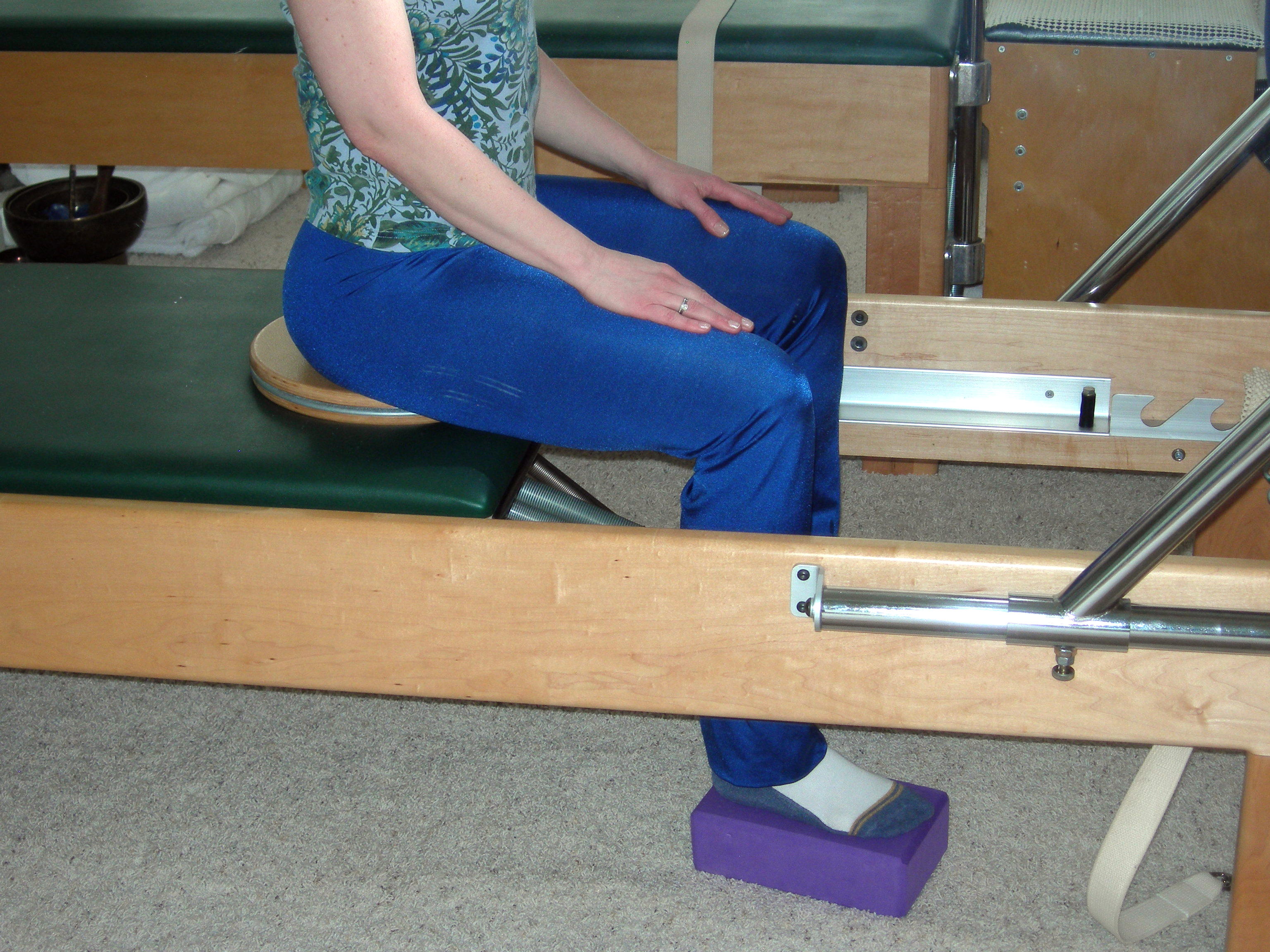
Yoga blocks needed for shorter legs on Reformer.

Unhook all of the springs on the Reformer and instruct your client to sit on the edge of the carriage on a medium-sized 12″ rotator disc facing the footbar holding a medium-size dowel across the sacrum. Advise your client to be careful when sitting down since the carriage has the potential to slide away without the springs. If your client is too short, you may require the use of yoga blocks or some other prop to bring the legs to a 90-degree angle.

FRONT TO BACK: MOVING ON THE SAGITTAL PLANE
 Eric Franklin instructs how the sacrum moves when shifting the pelvis forward and back in his book Conditioning for Dance (page 92) with helpful tactile cues.

“1. Place a hand on the sacrum, and detect the bumps on the back of the bone. These bumps are the spinous processes of its five fused vertebrae. To feel the movement of the sacrum, it is easier to touch the adjoining bones that are easy to feel under the skin, the tailbone and the lumbar spine.

2. Place the middle finger of one hand on the tip of the tailbone, and place the middle finger of the other hand on the spinous process  of the fourth or fifth lumbar vertebra.

3. Tilt the pelvis forward, and notice how the lumbar spinous processes move forward and the tail moves back. The sacrum is doing a forward rotation movement called nutation (deriving from the Latin for nodding.) At this point the sacrum is only doing the first half of a nod…

4. Tilt the pelvis backward, and notice how the sacrum moves back and up. This movement is called counternutation, the second half of the nod…

5. Tilt the pelvis forward again and notice that nutation is linked with the spreading of the sit bones.

6. Tilt the pelvis backward, and notice that counternutation is linked to the converging of the sit bones.

7. Notice that nutation causes the lumbar spine to extend (the feeling is hollowed spine), while counternutation causes the lumbar spine to flex (the feeling is rounded spine).”

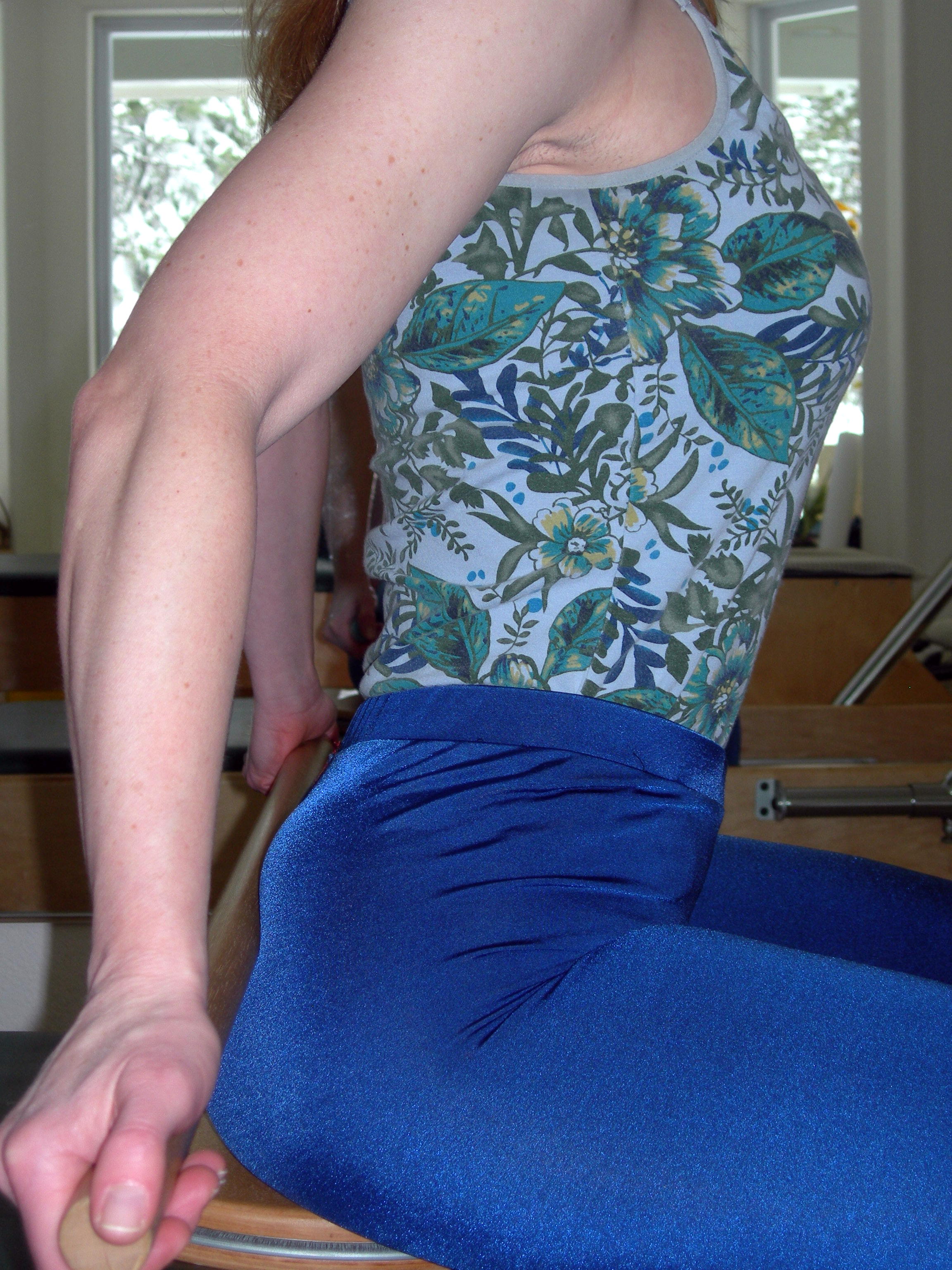
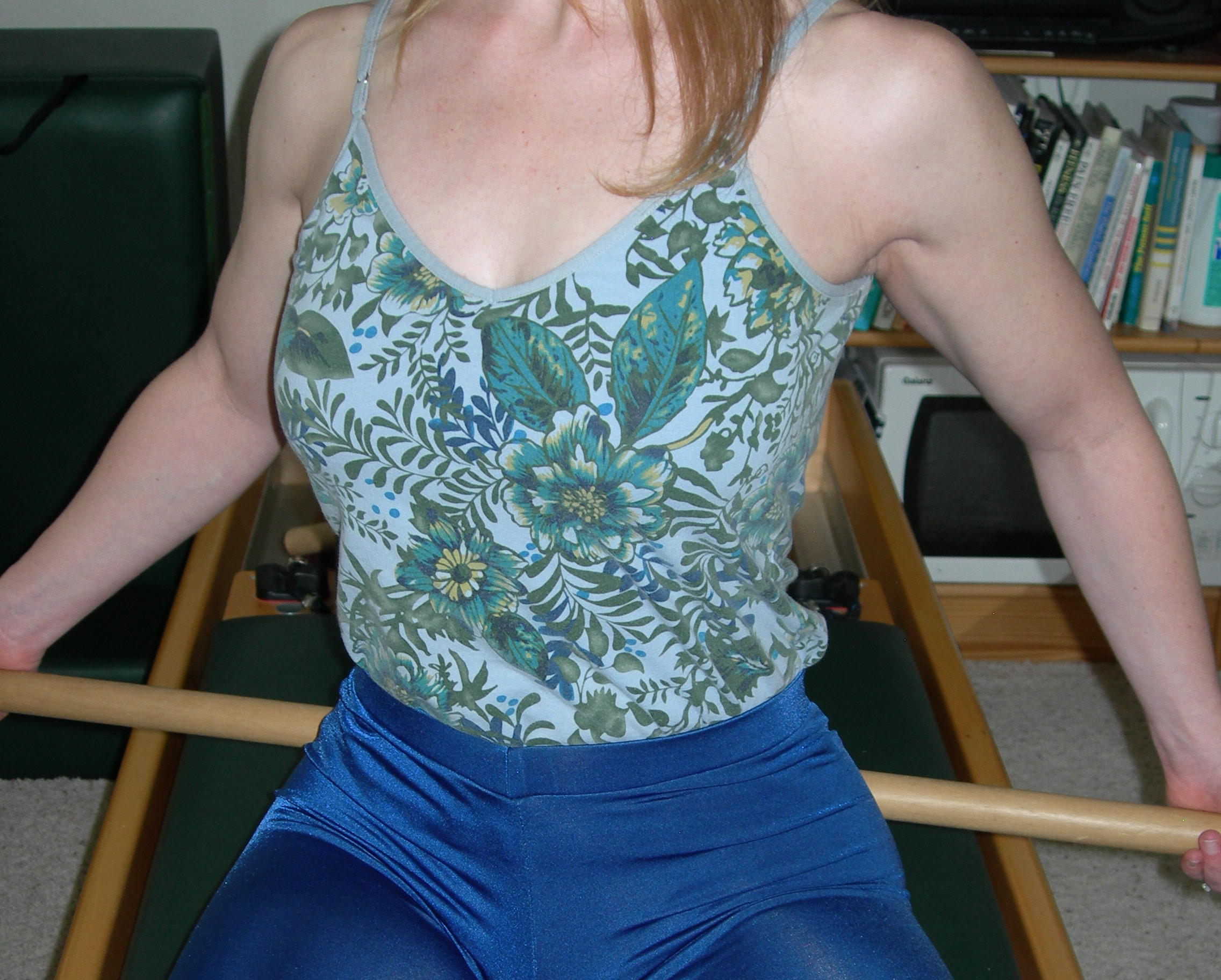
Anterior pelvic tilt.
Posterior pelvic tilt.

To give my clients the feeling of the pelvis as a whole, I describe an anterior pelvic tilt (sacral nutation) as a “Christmas tree” with a wider base at the sit bones and narrower feeling at the top of the pelvis (ilium) and a posterior pelvic tilt (sacral counternutation) as a “funnel” with a narrower base and a wider feeling at the top of the pelvis.

The benefit of being on the Reformer without springs is that the carriage should move slightly backward in the anterior pelvic tilt and forward toward the calves in the posterior pelvic tilt. If the carriage does not move front and back, then the initiation of the movement is incorrectly occurring at the rib cage instead of being driven by the pelvis. The dowel also assists in helping your client observe and feel the shifting pelvis. Notice if your client tends to put more weight on one sit bone or the other when moving, but do not mention it yet.

After moving a few times between the front and back positions have your client find neutral pelvis (in between the practiced positions) with the weight slightly forward on the sit bones (ischial tuberosities) and the feet weighted on the floor. In the neutral pelvis position, there is a equal activation of the transversus abdominis in the front of the waist and the lumbar multifidus in the low back to create an equal supported lift much like squeezing toothpaste from both sides on the bottom produces the lift out the top. This abdomen/low back gentle lifted squeezing can also be felt at the sides of the pelvis. This comfortable lifted synching feeling (much like pulling the string to tighten a duffel bag) is important to hold and maintain the neutral pelvis position once it is located and experienced.

Ask your client to be in this neutral position with the least amount of effort. If there is excessive muscular tension held in the body, then proper placement cannot be maintained over time. Help your client find the relaxed supported placement that can be held habitually. (See “The Use of Imagery to help Your Client Find Lift Through the Core.” for ideas about helping your client feel core engagement through imagery.)

Repeat the exercise again and have your client notice the weight on each sit bone while rocking front to back. Have your client put more weight on the right side, then the left, followed by weight equal in the center. The hard rotator disc makes this easier for your client to feel shifts of weight. If you previously noticed your client shifting more weight to one sit bone in the exercise, ask him/her if one side or another is more comfortable and see if it correlates to your previous observation.

If your client tends to sit toward one side, suggest that he/she check in throughout the day to see if this is a habit. Your client is best equipped to make this correction and develop the new habit through conscious attention and a commitment to change.

SIDE TO SIDE: MOVING ON THE CORONAL/FRONTAL PLANE
Next ask your client to rock from side to side feeling each sit bone (the carriage will be stationary). Have your client push off of the right sit bone to sit up taller moving the head toward the ceiling as if making space for the kidney and notice the activation of the right lumbar multifidus muscles. Raising the arms overhead can sometimes make the firing of the low back muscles easier feel. Repeat it to the left.

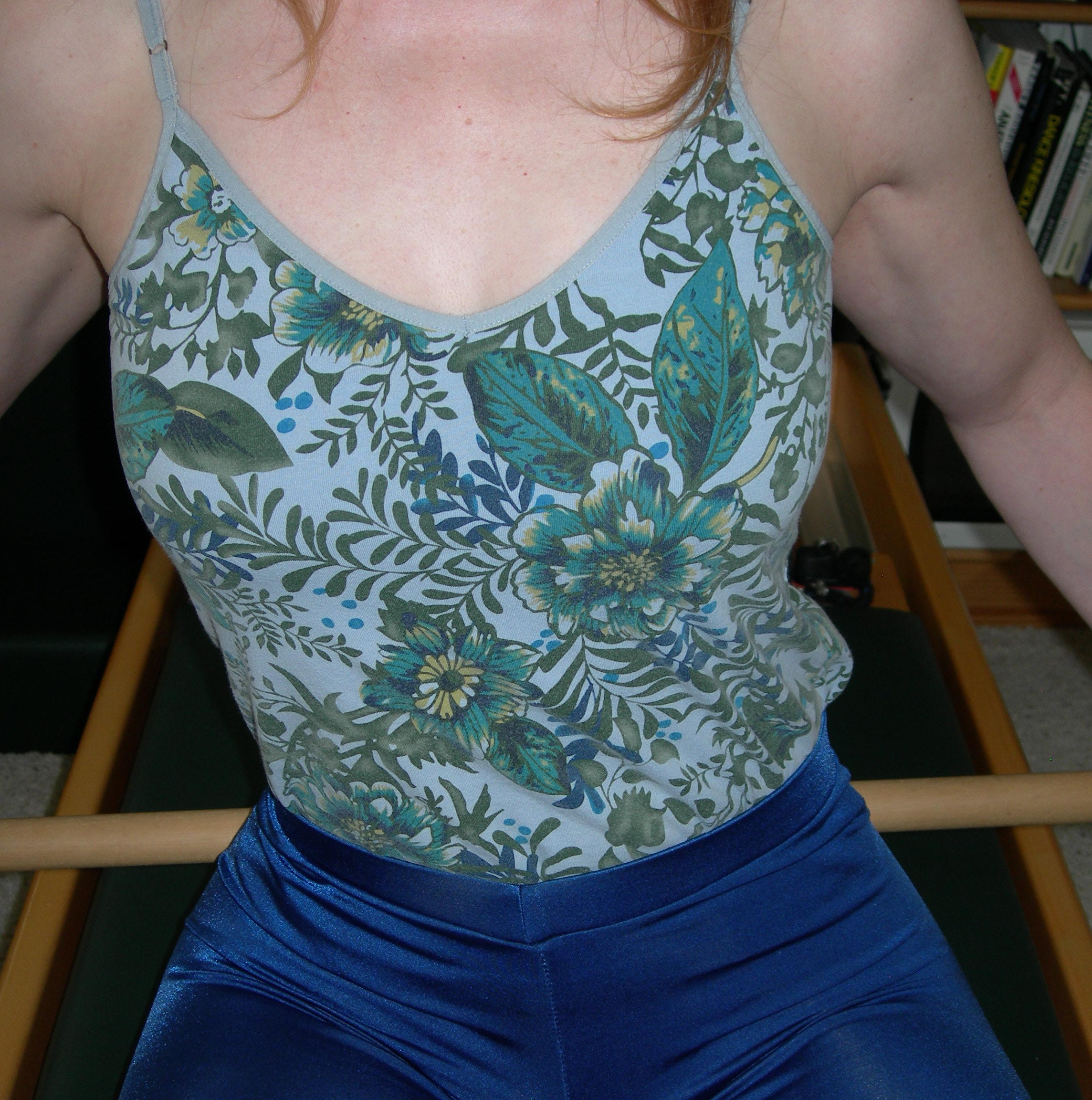
Both sit bones weighted with lateral rib shift.

After about 5 sets, have your client now try to lift the ribcage laterally to the right while sitting up tall, keeping weight on BOTH sit bones. Have your client observe now that both sides of the lumbar multifidi are activated—it is like having two “rocket boosters” (one on each sit bone) to lift the ribcage off the pelvis instead of one. This equal activation creates a more powered balanced lift.

It may be difficult for your client to keep both sit bones weighted in the lateral ribcage shift. Suggest that the bones of the pelvis are like a boat weighted in the water. Keep the boat heavy while the muscles and flesh lift upward into the lateral shift much like the vertical mast. You may see a crossover from the previous exercise. For example, if you client felt more comfortable with the weight on the right sit bone moving front to back, he/she may tend to lift the left sit bone as the ribcage moves sideways to the right since it is not used to bearing weight.
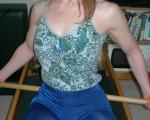
ROTATE RIGHT TO LEFT: MOVING ON THE TRANSVERSE PLANE
 

Right lumbar and thoracic rotation.

The client is sitting on a moving rotator disc so that lumbar rotation of the pelvis is proprioceptively accentuated. Driving the disc is somewhat like moving the wheel of a car: pulling down on the wheel to make a right hand turn would cause the left side of the wheel to move upward, much like moving the right sit bone backward to rotate the disc clockwise would move the left sit bone forward to further rotate the disc clockwise. Have your client rotate the disc to the right while keeping both knees still and holding the Reformer carriage in place. Most people will shift to one sit bone on rotation so instruct your client to drop the lifted sit bone (“sit the boat in the water”). Be sure to initially isolate pure lumbar rotation by keeping the chest facing forward in place. Repeat to the other side. Watch to be sure your client keeps weight on both feet as there is a tendency to roll one knee inward during the exercise.

After your client experiences moving the disc in rotation, add the thought of siting tall during this twist and to engage the transversus abdominis (lower abs) and lumbar multifidus (low back muscles) so that there is a feeling of lifting upward through the spine. Just as it is necessary to bend the knees and go into the floor prior to jumping, the pelvis must first be weighted on the disc in opposition to the lifted ribcage. Both “rocket boosters” (ischial tuberosities) should be connected in a centered pelvis giving more power to the lift since both sides of the back will be active.
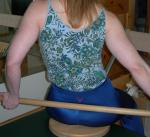
Incorrect lateral rib shift with one sit bone weighted.

Now move the pelvis, chest and head in succession during the rotation. It should feel like a spiral staircase moving upward. Notice if the ribcage moves laterally off the pelvis during rotation and indicate the necessary correction to bring the ribcage centered over the pelvis—if the ribcage is shifted, odds are that one sit bone will also be lifted. Just as in stacking blocks, the lumbar and thoracic sections of the spine are structurally solid on top of each other, rather than precariously stacking on the counterbalanced edges.

Conscious and attentive self-awareness of pelvic placement in a seated position can improve overall posture. Just as a building needs a good foundation, the spine’s structural integrity is dependent upon a solid base. Your client can create new sitting habits, but must first have the knowledge and experience of how to find center. The best way to experience center is through its contrast of shifting weight off-center. Once the relative position of center is understood, and the weight over the ischial tuberosities felt, your client can consciously maintain balanced alignment through daily practice.

Pucker Up the Pelvic Floor

Many people think of their abdominal muscles when asked to engage the core muscles, but, unless someone has gone through pregnancy or incontinence issues, the pelvic floor muscles are a relatively unfamiliar yet critical component of core activation. Exercises that strengthen these pelvic floor muscles through isometric contractions are commonly referred to as Kegel exercises named after gynecologist Dr. Arnold Kegel. The basic premise is to “contract and release” the pelvic floor muscles, and includes variations that increase the number or duration of contractions. Using imagery and guided instructions can help your client find the core’s foundation.

The following verbal instruction series can be taught individually or in a group environment.

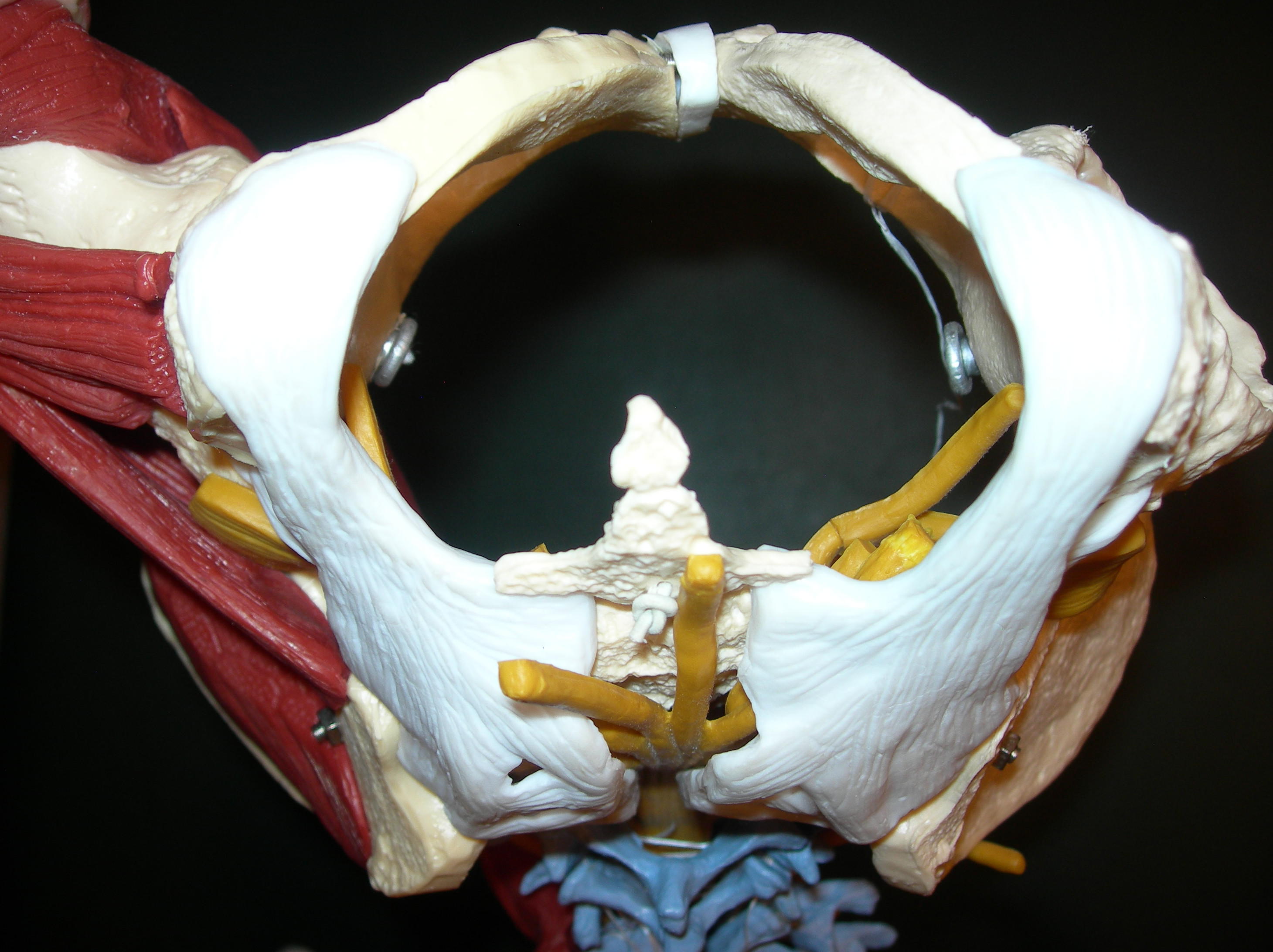
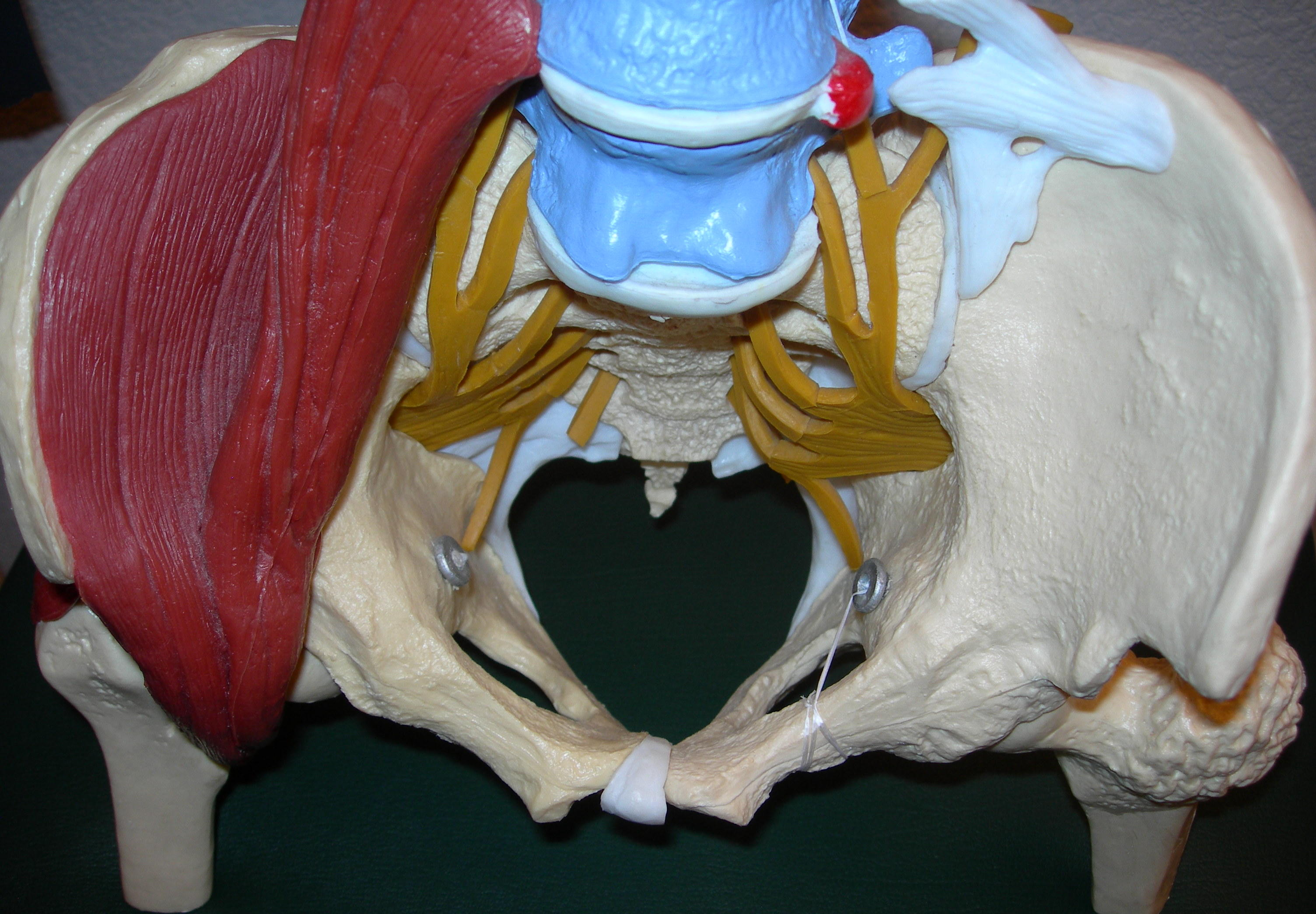
DIAMOND IMAGE: Describe the pelvic floor as a diamond shape consisting of points at the pubic bone  in the front, sit bones or ischial tuberosities forming the sides of the diamond, and the tail bone or coccyx at the back.

STACKING TRIANGLES: Divide the image of the bottom and top half of the diamond into two separate triangles cutting on the coronal plane and approach each section individually.

Back Triangle (both sit bones and tail bone): Instruct your student(s) to engage the anal sphincter without squeezing the cheeks of the buttocks as if stopping gas from escaping and then release. Once the area is isolated, contract with a small intensity, then medium, then large intensity contraction consecutively without release and then let go of the large contraction to start again. Do this twice through.

After this is achieved, try doing the small, medium, large intensity contraction followed by a small release with a “catch” of the contraction three times to create what feels like a small, medium, and large release of the contraction. A conscious effort must be made to reestablish the contraction each time or the release will feel like one action instead of three.

The purpose of the small, medium and large intensity contractions is to make the exercise more precise and challenging. This will make a plain isometric contraction feel like less work and easier to maintain.  Note that if you are teaching this individually, you can hold your client’s hand and mimic the intensity squeeze of the small, medium and large contraction for guidance.

Front Triangle (both sit bones and pubic bone): Instruct your student(s) to engage the urethral sphincter as if stopping urine flow without squeezing the anal sphincter or cheeks of the buttocks and then release. Once the area is isolated, contract with a small intensity, then medium, then large intensity contraction consecutively without release and then let go of the large contraction to start again. Do this twice through. After this is achieved, try doing the small, medium, large contraction followed by the small, medium and large release as done above with the back triangle of the diamond.

SIDE TRIANGLES: Now divide the diamond into right and left triangles cutting on the sagittal plane.

Left Triangle (pubic bone, left sit bone and tailbone): Instruct your student(s) to engage the left side of the pelvic floor without squeezing the cheeks of the buttocks and then release. Once the area is isolated, contract with a small then medium then large contraction consecutively without release and then let go of the large contraction to start again. Do this twice through. After this is achieved, try doing the small, medium, large contraction followed by the small, medium and large release as done above.    

Right Triangle (pubic bone, right sit bone and tailbone): Instruct your student(s) to engage the right side of the pelvic floor without squeezing the cheeks of the buttocks and then release. Once the area is isolated, contract with a small then medium then large contraction consecutively without release and then let go of the large contraction to start again. Do this twice through. After this is achieved, try doing the small, medium, large contraction followed by the small, medium and large release as done above.

FIGURE 8 IMAGE:  Now relate the front and the back to engage the entire pelvic floor in the initial diamond image (pubic bone, both sit bones, tailbone). A figure 8 or infinity sign could be drawn around the anal sphincter and urethral sphincter. Squeeze each opening individually as you would pucker the mouth to kiss or as if tightening the cord on a duffel bag and cinch them together while drawing them upward toward the internal organs as if sucking on a straw. Once the feeling of this is established, try the small medium and large contraction pattern as established on the previous preparatory sections.

Understanding the contraction of the pelvic floor is the gateway to engaging the rest of the core muscles and facilitates the engagement of the deeper transversus abdominnis muscle.  A study entitled “Instructing pelvic floor contraction facilitates transversus abdominis thickness increase during low-abdominal hollowing,” on the U.S. National Library of Medicine National Institutes of Health website concludes that “Instructing healthy subjects to co-contract pelvic floor muscles results in greater increase in transversus abdominis thickness during low abdominal hollowing in four-point kneeling.”

As well as improving core stability, strengthening the pelvic floor muscles can help with urinary incontinence, but should be practiced with an empty bladder. According to the Mayo Clinc website “Doing Kegel exercises with a full bladder or while emptying your bladder can actually weaken the muscles, as well as lead to incomplete emptying of the bladder — which increases the risk of a urinary tract infection.”

Guided instructions using imagery can help your students isolate and contract the muscles of the pelvic floor. Once you have established the muscle memory from the above exercises you can use the imagery in cueing. For example, “cinch your figure 8” or “suck the pelvic straw.” The mind is better able to direct the body when the target is clearly understood. Strengthening the pelvic floor builds the foundation on which the other core muscles can be explored.